𝙏𝙝𝙚 𝘿𝙪𝙖𝙡 𝙀𝙙𝙜𝙚𝙨 𝙤𝙛 𝙈𝙪𝙨𝙠'𝙨 𝘿𝙞𝙜𝙞𝙩𝙖𝙡 𝘿𝙤𝙢𝙞𝙣𝙞𝙤𝙣
Beneath the surface of this digital utopia lies a potential dystopia, where free thinkers are caught in a net woven from the very freedoms they were promised.

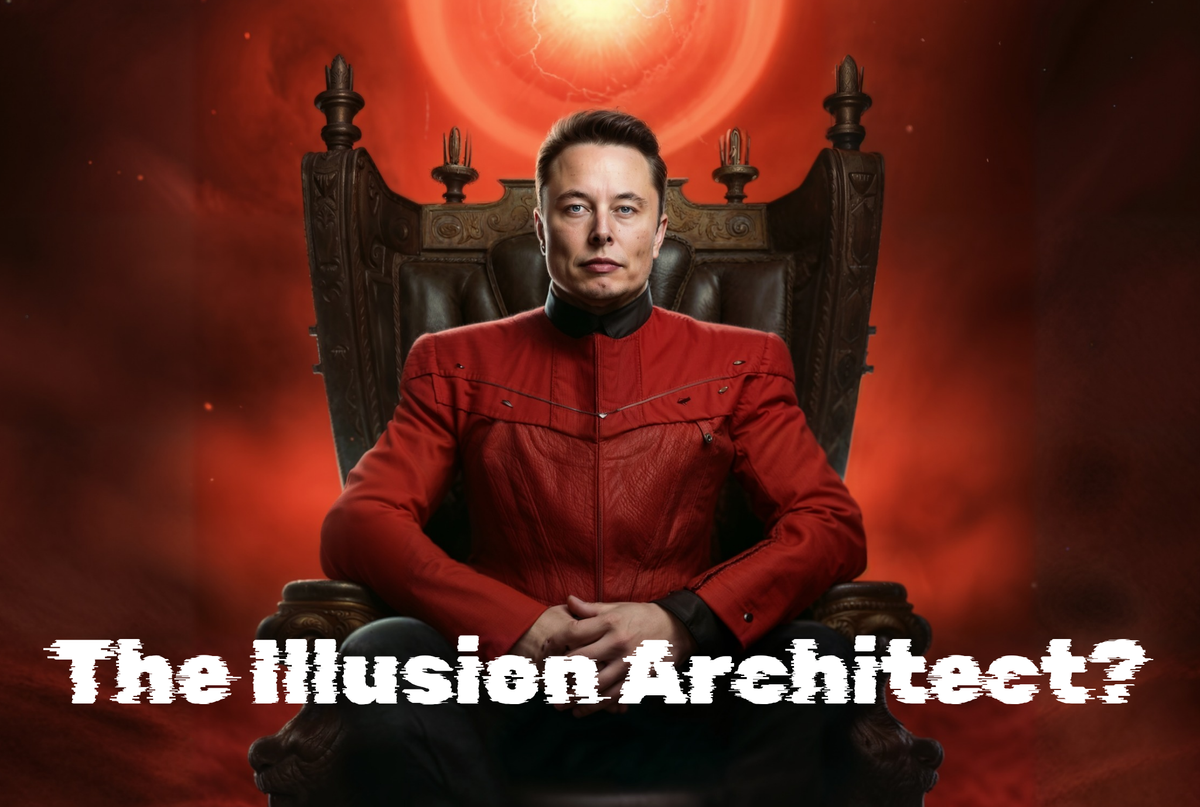
Where does free speech end and control begin?
Most people never stop to ask. The platforms drawing those lines have become so familiar that their boundaries feel natural, almost invisible. But every so often something forces the question back into the light. X is one of those moments. A platform claiming to liberate the modern mind while quietly shaping the limits of the conversation. And when a figure like Elon Musk sits at the centre of it, the contradiction becomes impossible to ignore.
X positions itself as a great digital exodus toward free speech, a rebirth of open discourse under the guidance of a man who attracts both worship and suspicion. Yet beneath the surface, critics argue, lies a more intricate design. One that feels less like emancipation and more like a velvet lined snare for the very minds it claims to set free.
At the heart of this tension is Xs shifting stance on speech itself. CEO Linda Yaccarinos recent blog post paints the platform as a modern Agora, a global square for unfettered dialogue. But the sentiment is immediately undercut by the familiar caveat of our era. Speech is free until it crosses the fuzzy line of hate or hate speech. It is a pattern we have seen countless times. Platforms that champion openness while quietly reserving the right to censor under the banner of safety.
Her post, titled Safeguarding Information Independence and Combating Hate Speech, attempts to brand X as a neutral stage. But the moment terms like misinformation, harm, and hate speech appear, the ground becomes subjective. Elastic. Easily shaped to justify whatever outcome the gatekeepers desire. It is digital paternalism disguised as protection, where speech is technically free but only within boundaries drawn by unseen hands.
This oscillation between liberation and control hangs heavily over X and even heavier over Musks broader ambitions. Because the real shadow is cast not by the platform but by Neuralink. If X is the battlefield for free speech, Neuralink edges toward the battlefield of free thought. Direct brain to internet interfaces are no longer speculative fiction. They are declared goals. And with them come profound questions about autonomy, influence, and the sanctity of private cognition.
Yaccarinos post becomes more than a corporate message. It becomes a small piece of a much larger struggle, one that reaches far beyond timelines and trending pages. It is a battle for sovereignty of speech, of narrative, of the human mind itself. The mythos surrounding Musk promises a technological renaissance, a grand revival of global dialogue and discovery.
Yet beneath the surface of this digital utopia lies a potential dystopia, where free thinkers are caught in a net woven from the very freedoms they were promised.
As the truth begins to reveal itself, Musk appears not simply as a visionary but as a point of global contention, a man balancing brilliance and hubris, salvation and domination. As X continues through the dangerous waters of modern discourse, the world watches closely. Will it become the foundation of a true digital democracy? Or a beautifully engineered panopticon, wrapped in the language of freedom yet quietly shaping the future of human thought in ways most people will never see coming?
Veritya Thalassa
Originally published by Veritya Thalassa on Medium, April 2024