OFAC asset seizures reveal the fragility of permissioned stablecoins
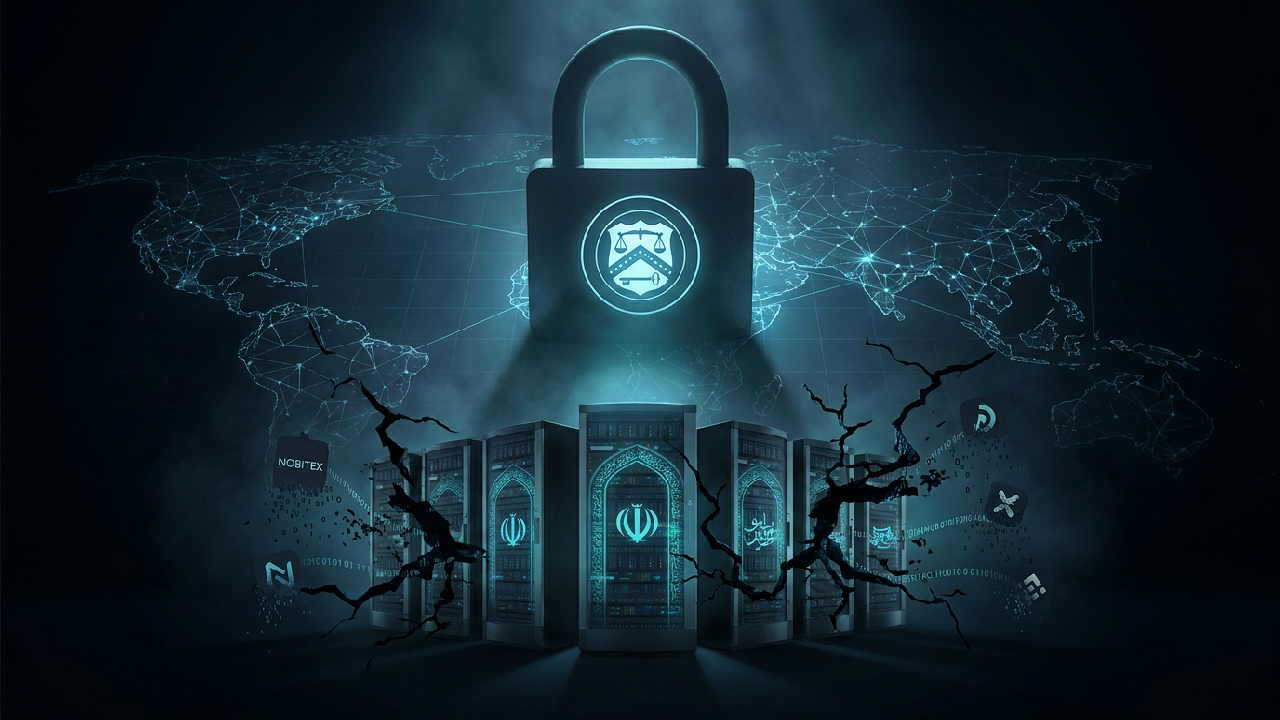
The United States Treasury Department recently sanctioned a series of digital wallets, claiming they were conduits for Iranian state finance. Operation Economic Fury resulted in the freezing of approximately $344 million in USDT, a move facilitated by the stablecoin issuer at the request of the Offi

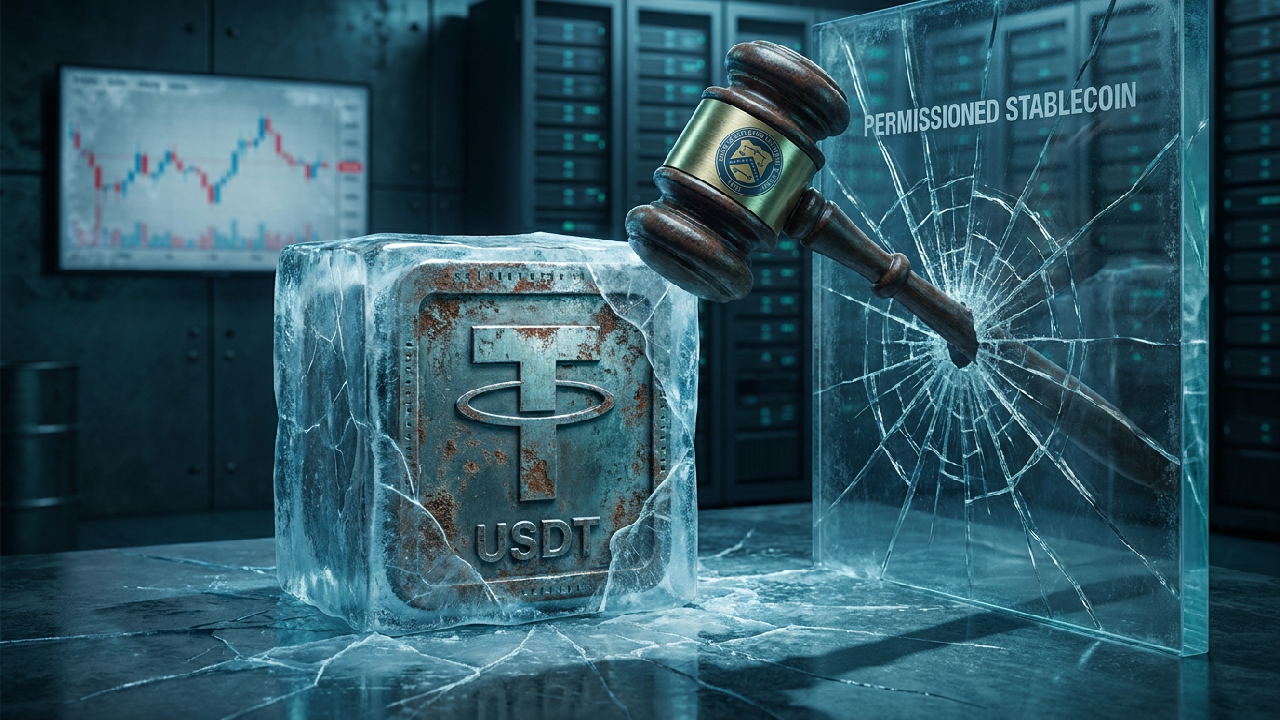
The United States Treasury Department recently sanctioned a series of digital wallets, claiming they were conduits for Iranian state finance. Operation Economic Fury resulted in the freezing of approximately $344 million in USDT, a move facilitated by the stablecoin issuer at the request of the Office of Foreign Assets Control. However, subsequent forensic analysis suggests the US government may have misidentified the owners. The structural patterns of the seized wallets, including high balance retention and long term holding periods, diverge from the established operational security protocols typically used by the Islamic Revolutionary Guard Corps.
This discrepancy exposes the fundamental danger of the current custodial landscape. When a state actor issues a freeze order, the intermediary, in this case a private stablecoin issuer, acts as a remote kill switch. The accuracy of the underlying intelligence becomes secondary to the power of the mandate. If the analysis is correct and these assets belong to different state actors or entities, it demonstrates that permissioned protocols do not require proof of wrongdoing to strip a user of their sovereignty, they only require an administrative directive. The trust is placed entirely in the state’s attribution capabilities, which are now being publicly questioned by blockchain researchers.
The centralisation of these assets creates a single point of failure where political objectives override the immutable nature of the ledger. Because USDT and similar tokens are essentially database entries controlled by a central authority, they are subject to the whims of geopolitical pressure and the potential for intelligence errors. The users of these assets do not hold the keys in any meaningful sense, they hold a revocable permission to transact that can be withdrawn without notice or recourse.
True sovereignty requires assets that cannot be frozen by a third party based on flawed attribution. When trust is outsourced to a centralised issuer or a government agency, the user accepts the risk of being collateral damage in a financial trade war. Only through decentralised, non-custodial systems can participants ensure that their access to value is governed by mathematics rather than administrative decree.
---
Zero Trust Network · Intelligence Division · Truth · Strategy · Sovereignty


Discussion