A Nine-Figure Protocol Went Dark to Prevent a State-Sponsored Heist
Seven hundred million dollars went dark on a Sunday, on purpose. Not after a hack, but moments before a suspected state-sponsored crew could drain the system. The protocol is Tydro, the dominant application on the Ink Layer 2 network. Its defensive shutdown shows how fragile even mature digital capi
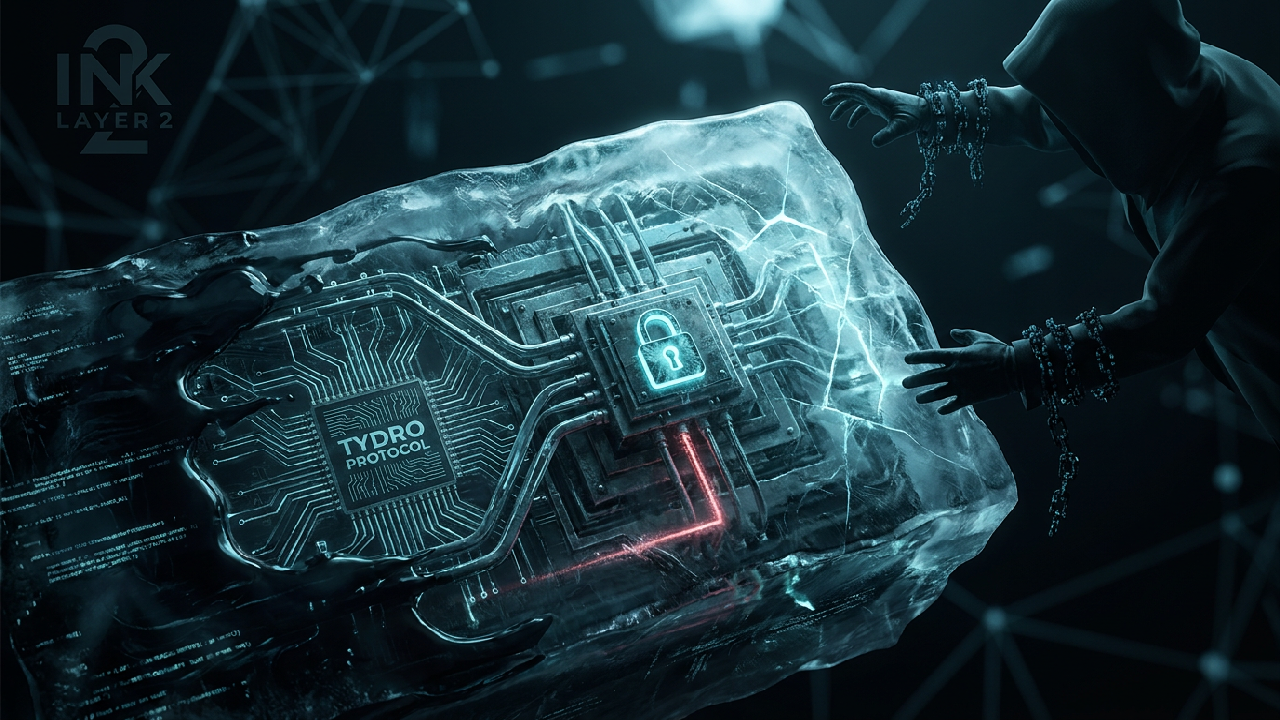
Seven hundred million dollars went dark on a Sunday, on purpose. Not after a hack, but moments before a suspected state-sponsored crew could drain the system. The protocol is Tydro, the dominant application on the Ink Layer 2 network. Its defensive shutdown shows how fragile even mature digital capital markets can be, and who holds the keys when things get serious.
The warning came from Chaos Labs, a risk firm paid to watch the perimeter. Their analysis flagged an active compromise at Tydro's sole price oracle provider. The activity, they noted, had the profile of a nation-state actor. This is not an arbitrage bot looking for an edge; it is a well-resourced organization playing for keeps. In response, the Tydro core team activated a centralized pause function, freezing the entire protocol. A kill switch. A protocol one team can pause is a custodian with extra steps.
One Feed to Rule Them All
The vulnerability was not novel. It was structural. Tydro, which runs on the bones of the Aave v3 codebase, outsourced its sense of reality to a single, undisclosed oracle. In a lending protocol, the oracle is god. It tells smart contracts what every asset is worth, every second. All lending, borrowing, and liquidation calculations depend on the integrity of this single data feed.
Controlling the oracle is controlling the market. A hostile actor with the oracle’s signing keys could, for instance, report that a worthless token is worth thousands of dollars. They could then use this phantom collateral to borrow millions in real assets and walk away. Or they could report the price of Ethereum as near zero, triggering a liquidation cascade that would wipe out solvent users. The entire market was balanced on the security of one external provider’s private keys. A market priced by one feed inherits that feed’s failure mode by definition.
The core team kept the market frozen even after the compromised provider rotated its keys. The incident revealed the design itself as an unacceptable risk. Relaunch now requires a full re-architecting of the data layer, moving from one point of failure to a redundant system using both Chainlink and RedStone. This migration requires a governance vote followed by a mandatory 48-hour timelock, a feature designed to prevent hostile upgrades. It also guarantees that hundreds of millions of dollars in user funds will remain locked for an extended period.
An Unnamed Dependency
The most critical detail in this story is the one that is missing: the name of the compromised oracle provider. Tydro's team has not disclosed it. This silence protects the provider's business reputation at the expense of every other protocol that may be using its data. Every other market relying on this same feed is currently exposed to an identical threat vector, operated by a confirmed high-level adversary, and they do not know it.
This preemptive shutdown is a mark of maturity. Most major oracle exploits, from Cream Finance to Mango Markets, were successful. The damage was done before anyone could react. In those cases, the analysis was a post-mortem. Here, continuous monitoring shut the doors before the thieves got inside. The save is the indictment. A system that survives only because its managers froze it in time is not a decentralized market. It is a product with a manager.
The next phase is a 48-hour timelock following the upgrade vote. This is the last window for on-chain maneuvering before the protocol comes back online. The team is planning a four-hour grace period upon restart, with liquidations disabled, to prevent a chaotic rush to the exits for positions that became unhealthy during the downtime.
The stability of the entire Ink Layer 2 was coupled to the security of its flagship application. Now, the shutdown and extended freeze threaten to break that momentum. The Tydro team stopped a national intelligence agency with a kill switch. That is the win. The cost is that for days, and perhaps longer in the minds of users, a nine-figure market is not a market at all. It is an administered account, waiting for permission to turn back on.
---
Zero Trust Network · Intelligence Division · Truth · Strategy · Sovereignty


Discussion