Aladdin: The Financial Ghost in the Machine
It simulates millions of scenarios daily, calculating not only how assets will behave, but how they’ll respond when others react to the same predictions. In short, it front-runs reality.
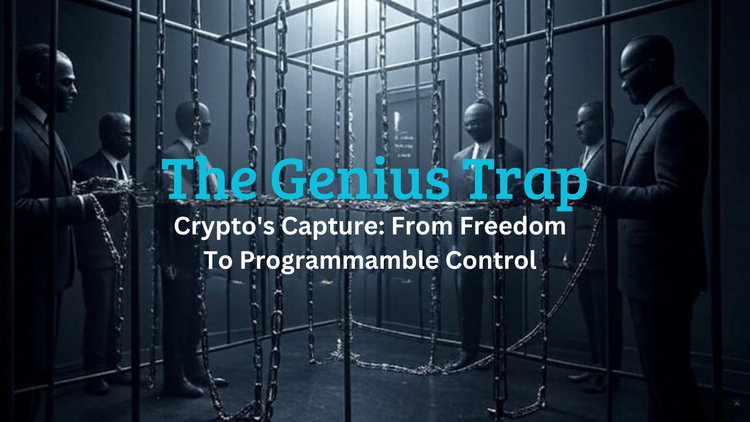
One by one, blockchains are being praised for features that would’ve been unthinkable a few years ago. Freeze functions. Pause buttons. Rollbacks. Clawbacks. All sold to us in nice packaging — for “security,” to “protect the user,” or “retrieve stolen funds.”
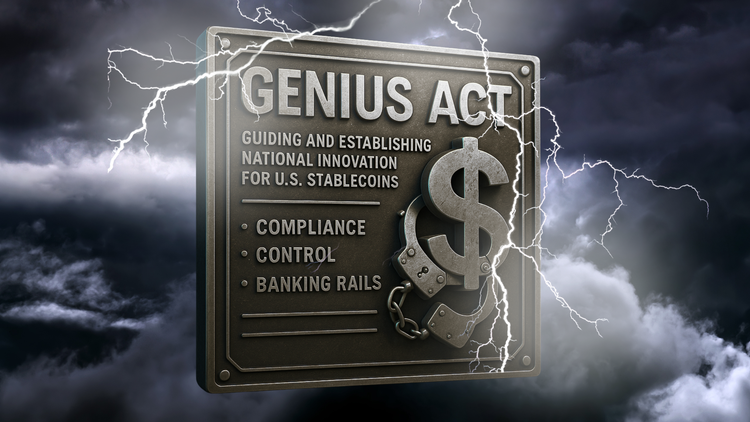
The irony? The Act claims to promote innovation — yet hands the keys of stablecoin innovation to Wall Street.
“Privacy is not a crime. It’s a right. And Liberty Swap just made it a feature.” The Dilemma: Transparency
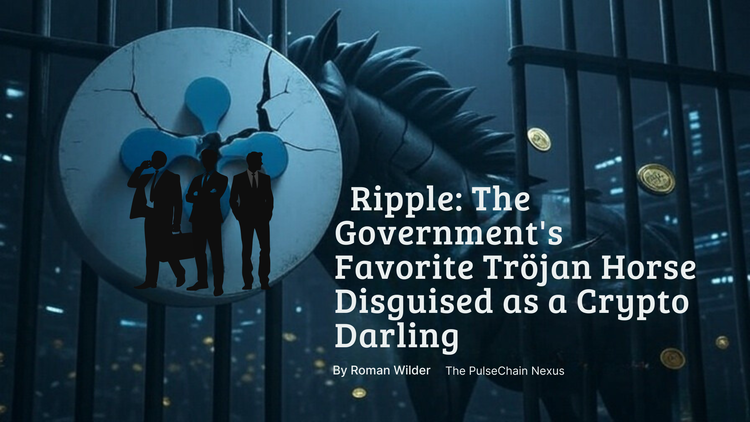
Let’s not forget the real kicker: Ripple’s technology is not decentralized. The validators are hand-picked. The code isn’t immutable. It’s an opt-in illusion of decentralization to placate retail investors while giving institutions the keys to the vault.
He didn’t keep the family name. He renamed himself after the symbol: Rothschild. It was more than a rebrand. It was a transformation. From man to myth.
We’re now entering what many are calling the stablecoin cycle — and Ethereum is front and center.
Together, PulseChain Nexus and ZeroTrust form a strategic communications ecosystem. One handles the intelligence and education—the other deploys it at scale using memes, videos, and high-velocity social content.
Now remember: USDh is meant to be a decentralized dollar alternative—yet its entire operational security stack is hanging on a private company in the UK.