Israel authorises BILS as first regulated shekel stablecoin
The Israeli Capital Market Authority has granted its first authorisation for a shekel-pegged stablecoin, known as BILS. Developed by the cryptocurrency exchange Bits of Gold, the token is the result of a two-year pilot programme conducted under state supervision. The asset is issued on the Solana ne
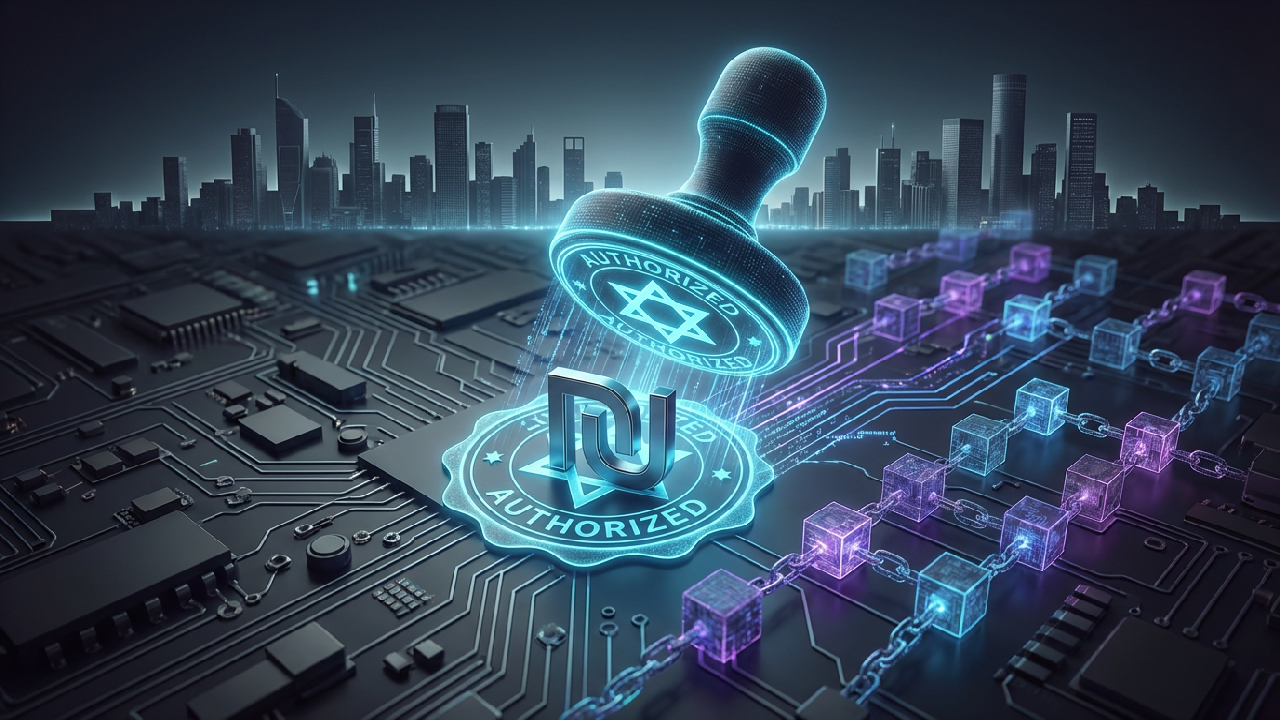
The Israeli Capital Market Authority has granted its first authorisation for a shekel-pegged stablecoin, known as BILS. Developed by the cryptocurrency exchange Bits of Gold, the token is the result of a two-year pilot programme conducted under state supervision. The asset is issued on the Solana network and utilizes Fireblocks for custodial infrastructure, with audit functions managed by EY. This move follows a period of relative strength for the shekel in legacy foreign exchange markets, prompting local efforts to digitise the national unit of account.
While the project is framed as an expansion of financial utility, it reinforces a traditional trust model within a decentralised environment. The BILS architecture relies on a multi-layered stack of intermediaries, including the exchange, the custodian, and the auditor, all of whom operate under the direct regulatory purview of the Israeli state. This structure ensures that the sovereign retains the ultimate power to freeze, seize, or invalidate the digital representation of the currency. The reliance on a specific custodial heavyweight and a Big Four auditor creates a narrow bottleneck of trust, where the user is dependent on the integrity of these institutions rather than the mathematical properties of the ledger.
By bringing the shekel onchain through a regulated entity, the state effectively extends its domestic monetary policy and surveillance capabilities into the digital asset ecosystem. The perceived stability of the token is not derived from code, but from the legal enforceability of the peg and the solvency of the underlying reserves held in legacy banks. This arrangement mirrors the existing banking system, where the user holds a liability of a private issuer rather than a sovereign-free asset. The introduction of BILS represents a shift in medium, but not a shift in the power dynamics of money.
True sovereignty requires the absence of a kill switch. When a stablecoin is regulated by a central authority and managed by institutional custodians, the user remains a tenant, not an owner, of their digital capital.
---
Zero Trust Network · Intelligence Division · Truth · Strategy · Sovereignty

Discussion