
liberland
Liberland: Where Freedom Stops Being an Idea
The most disruptive thing about Liberland is not what it builds, but what it quietly proves. That sovereignty does not begin with permission, and never did.
The most disruptive thing about Liberland is not what it builds, but what it quietly proves. That sovereignty does not begin with permission, and never did.

Earlier today, Anndy Lian posted a simple but loaded question: “Why crypto needs control?” It’s the kind of question
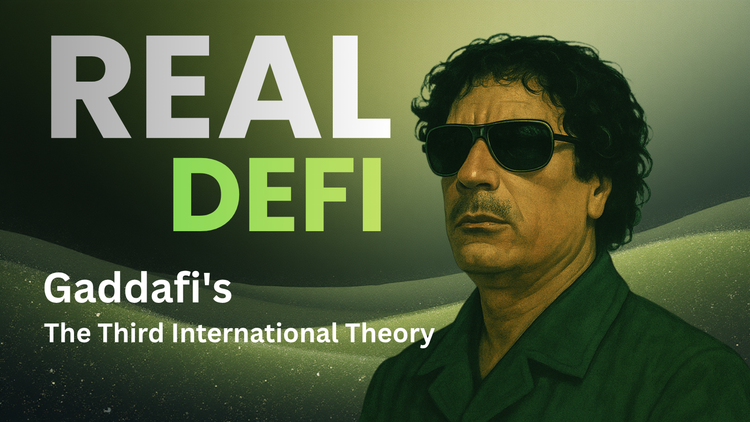
They buried Gaddafi to silence an idea. Instead, his vision of self-governance has been reborn inside the very code that now threatens every empire.

The Emergency Signal We Cannot Ignore Have you seen it. The warning pinned above your Telegram contacts, placed there by

PulseChain was never just another blockchain vying for attention. From the very beginning, it has carried the sense of something more. Something that wasn’t fully spoken, but written quietly into the design itself.

It simulates millions of scenarios daily, calculating not only how assets will behave, but how they’ll respond when others react to the same predictions. In short, it front-runs reality.
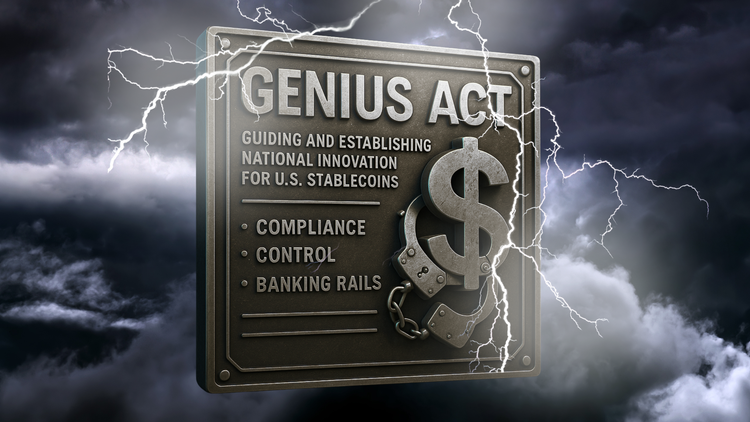
The irony? The Act claims to promote innovation — yet hands the keys of stablecoin innovation to Wall Street.
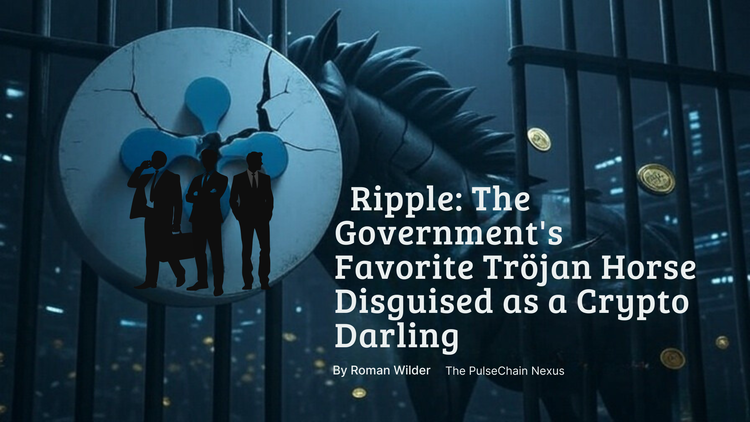
Let’s not forget the real kicker: Ripple’s technology is not decentralized. The validators are hand-picked. The code isn’t immutable. It’s an opt-in illusion of decentralization to placate retail investors while giving institutions the keys to the vault.