
zcash
ZCASH: The Trojan Horse Wearing Privacy as a Costume
There are moments in crypto where something slips into the collective feed so effortlessly that you can almost feel the invisible hand guiding it.
There are moments in crypto where something slips into the collective feed so effortlessly that you can almost feel the invisible hand guiding it.
The missing layer of blockchain has arrived, a protocol that burns supply every time truth is verified. Richard Heart’s latest creation doesn’t ask for belief. It proves it.
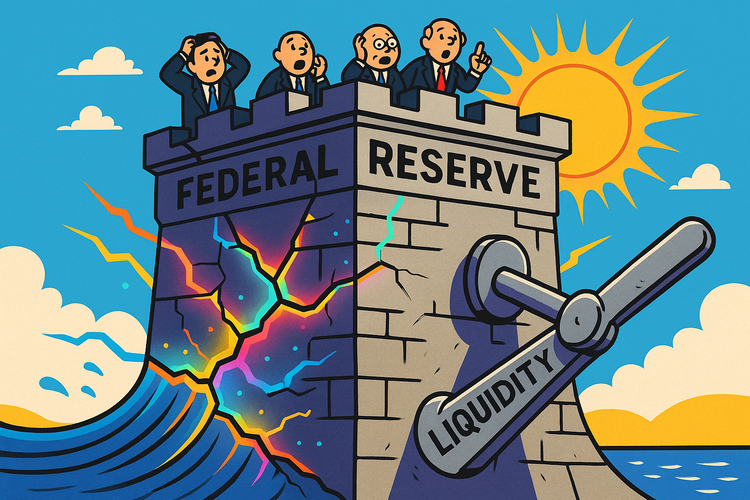
The market loves immediacy. It thrives on the flash of a green candle, the sudden rally, the adrenaline of “this is it.”

He built immutable, transparent systems. Yield through time. Not loopholes. Ownership without gatekeepers. Participation without permission. Call it what you will — but it's now clear he built correctly.

It simulates millions of scenarios daily, calculating not only how assets will behave, but how they’ll respond when others react to the same predictions. In short, it front-runs reality.
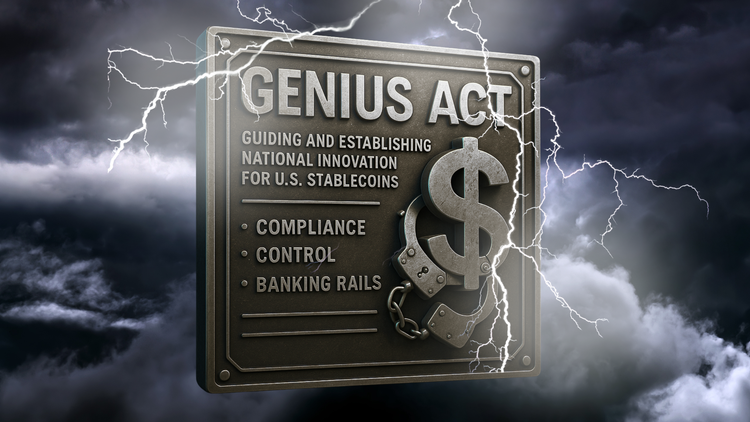
The irony? The Act claims to promote innovation — yet hands the keys of stablecoin innovation to Wall Street.
“Privacy is not a crime. It’s a right. And Liberty Swap just made it a feature.” The Dilemma: Transparency

Let’s not forget the real kicker: Ripple’s technology is not decentralized. The validators are hand-picked. The code isn’t immutable. It’s an opt-in illusion of decentralization to placate retail investors while giving institutions the keys to the vault.

He didn’t keep the family name. He renamed himself after the symbol: Rothschild. It was more than a rebrand. It was a transformation. From man to myth.

We’re now entering what many are calling the stablecoin cycle — and Ethereum is front and center.