The Erosion of Identity and the Failure of Cross-Chain Trust
The landscape of digital asset security is shifting from simple protocol bugs to sophisticated social engineering and infrastructure compromises. Recent data indicates that over 600 million dollars has been lost to exploits in early 2026, driven largely by state-sponsored actors targeting systemic v

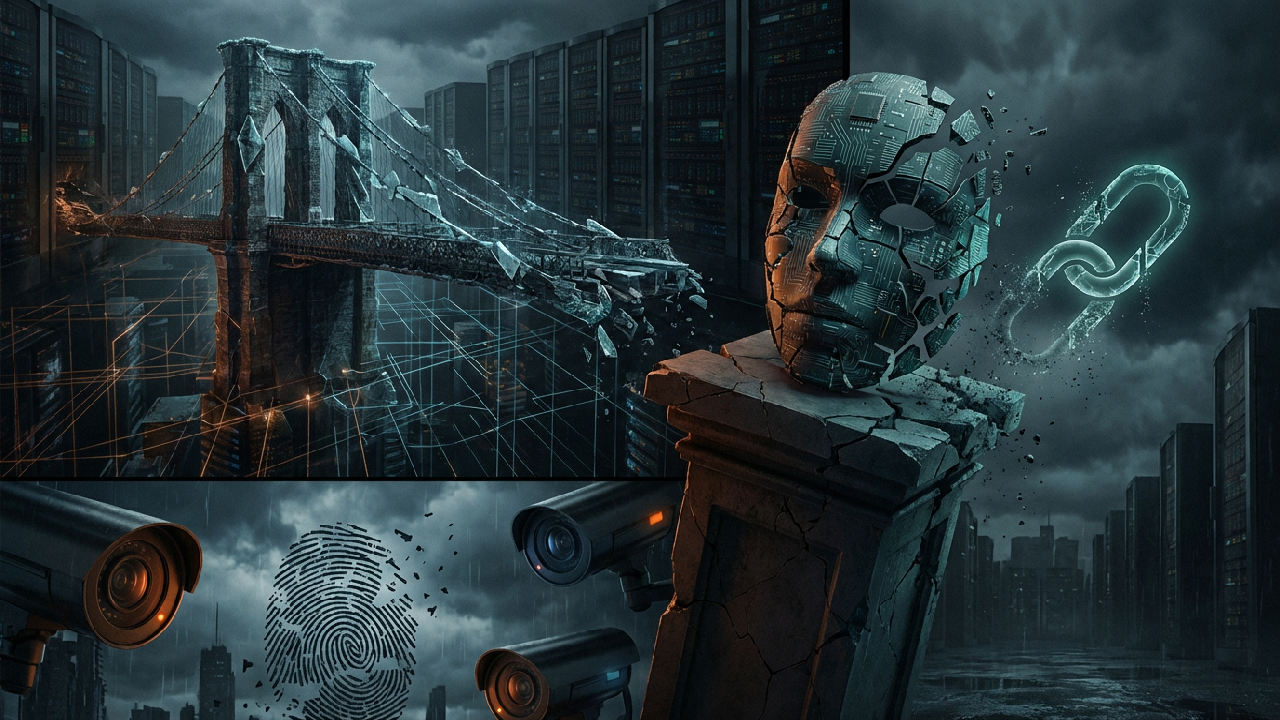
The landscape of digital asset security is shifting from simple protocol bugs to sophisticated social engineering and infrastructure compromises. Recent data indicates that over 600 million dollars has been lost to exploits in early 2026, driven largely by state-sponsored actors targeting systemic vulnerabilities. High-profile incidents, including the 293 million dollar exploit of Kelp DAO and the 280 million dollar breach of Drift Protocol, demonstrate that the primary threat vector is no longer just the code, but the human and institutional layers surrounding it.
The Kelp DAO incident specifically highlights a single point of trust failure within the LayerZero cross-chain messaging infrastructure. When users rely on third-party protocols to relay messages between blockchains, they are implicitly trusting the integrity of that protocol's private keys and its internal security controls. If those keys are compromised, the entire security model of the dependent decentralised application collapses. This is not a failure of cryptography, but a failure of centralisation hidden behind a decentralised facade.
Furthermore, the integration of generative artificial intelligence into the attacker's toolkit is rendering traditional identity verification obsolete. Hackers are now deploying autonomous agents to scan smart contracts for vulnerabilities and using deepfake technology to bypass Know Your Customer protocols. In one instance, North Korean-affiliated groups utilised AI-driven social engineering to infiltrate hot wallets, proving that even sophisticated firms remain vulnerable to the manipulation of human trust. The rise of 'agentic AI' allows for the execution of attacks at machine speed, far outstripping the manual response times of most security teams.
These events expose the fundamental danger of the custodial and semi-custodial models currently dominating the industry. Whether it is a cross-chain bridge, a centralised exchange, or a hot wallet managed by a third party, the risk remains the same: the user does not hold the keys. When trust is delegated to an intermediary, the user's sovereignty is surrendered to that intermediary's security posture. Supply chain breaches, which accounted for 1.45 billion dollars in losses in 2025, prove that the more links there are in the trust chain, the more opportunities exist for a total system failure.
True security requires the elimination of trust assumptions. Investors must move away from shared infrastructure and centralised gateways toward self-custody and cold storage. If you do not control the hardware and the entropy used to generate your keys, you are merely a tenant in someone else's fragile ecosystem.
---
Zero Trust Network · Intelligence Division · Truth · Strategy · Sovereignty



Discussion