US Treasury Escalates Pressure on Binance Over Monitorship Compliance
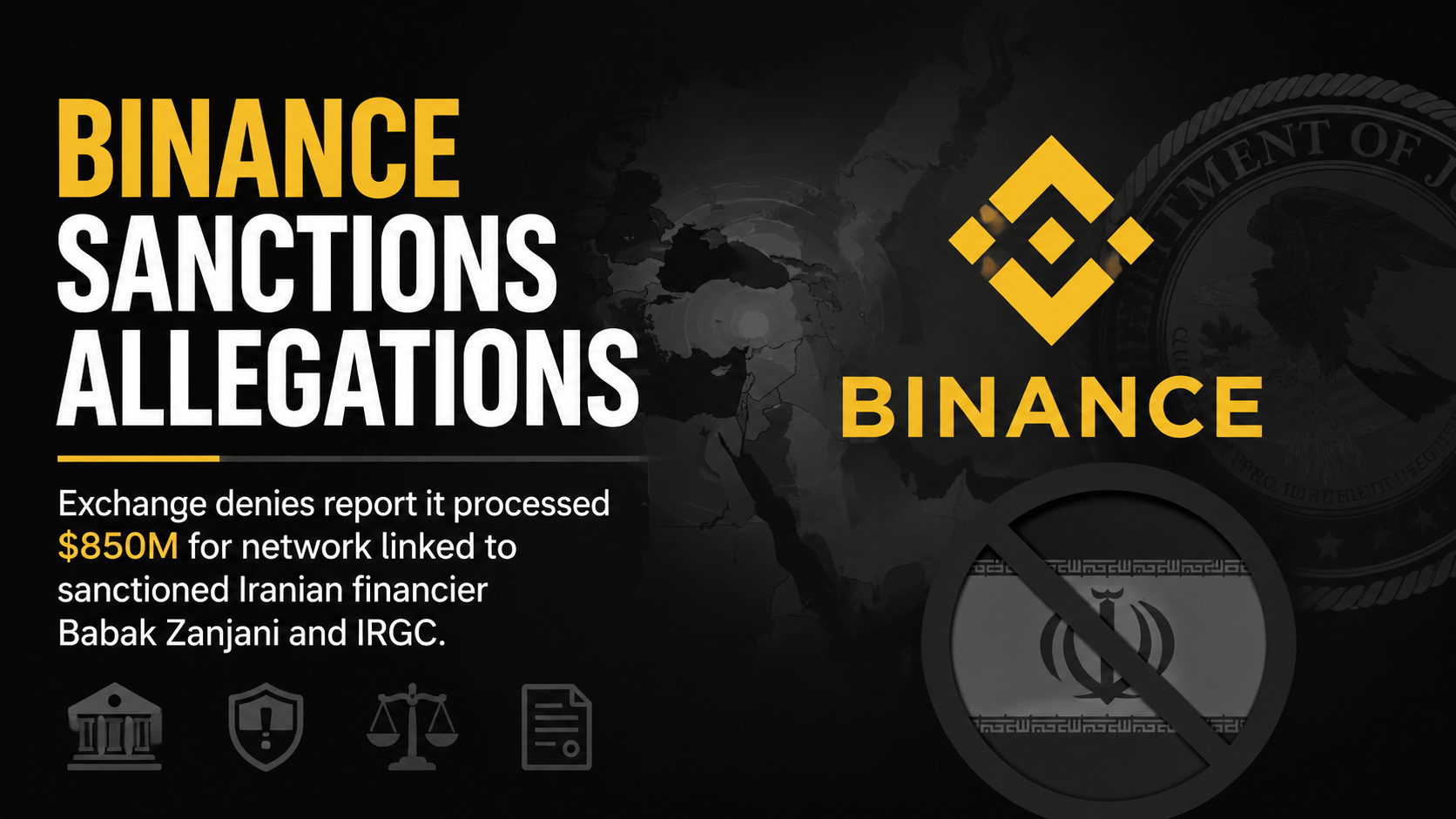
The peace treaty between Binance and the United States government is already starting to tear. At issue is approximately a billion dollars allegedly funnelled to Iran, followed by the dismissal of the compliance staff who reported it. This is precisely the behaviour the Department of Justice thought

The peace treaty between Binance and the United States government is already starting to tear. At issue is approximately a billion dollars allegedly funnelled to Iran, followed by the dismissal of the compliance staff who reported it. This is precisely the behaviour the Department of Justice thought it had neutered with its landmark settlement last November.
The Treasury has now sent a private directive demanding answers. The intervention is not a new investigation. It is a performance review. It suggests the truce bought with a $4.3 billion fine and the CEO’s head is not holding.
The Architecture of Surrender
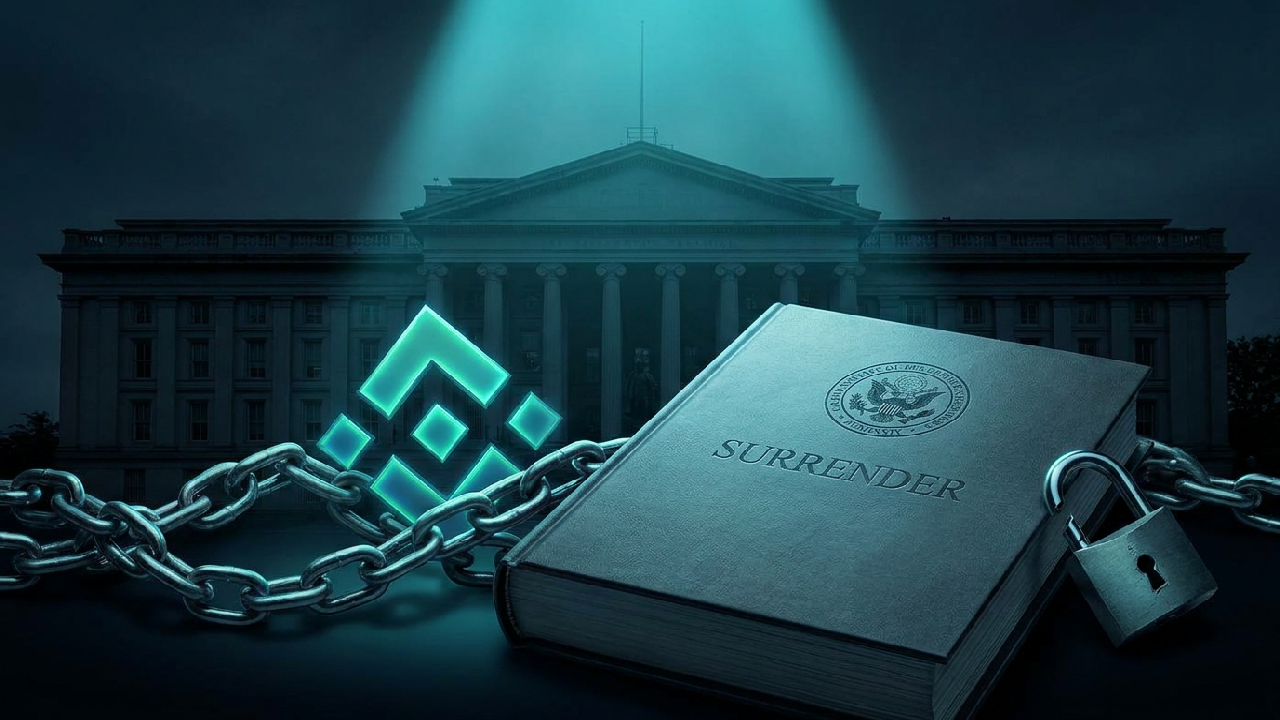
A settlement is not a treaty. It is a surrender document. To resolve charges of systemic sanctions evasion and money laundering, Binance agreed to be occupied.
The terms of surrender installed two government-appointed supervisors inside the exchange for several years: a three-year monitor under the Treasury’s financial crimes unit, FinCEN, to watch money flows to sanctioned states like Iran, and a five-year monitor for the Department of Justice to rebuild the company’s compliance culture.
These are not consultants. They are wardens. They have access to records, systems, and personnel. The monitorship is the architecture of forced trust. The US Treasury does not trust Binance to police itself, so it has embedded its own police inside the exchange's walls.
The recent allegations are a direct test of this new regime. First, the billion dollars in alleged Iran-linked transactions would represent a material failure of the core sanctions controls. Second, firing the staff who sounded the alarm is not just a human resources issue. It is an act of obstruction. The entire enforcement structure runs on the assumption that the monitors will be fed clean data by an uncoerced internal team. Silencing the tip line is an attack on the monitors themselves.
The Sanctions Playbook
This is the corporate death-and-rebirth ritual for financial institutions that get caught. In 2012, HSBC paid $1.9 billion for laundering cartel and sanctioned-nation funds; it was then shackled to a monitor for five years. Standard Chartered endured years of similar oversight for its own dealings with Tehran.
The playbook is being run, by the book, on the world's largest cryptocurrency exchange. An entity whose entire history is a masterclass in regulatory arbitrage is being forced into the iron maiden of American financial supervision.
The friction was inevitable. Dealing with Iran is not just a line item on a sanctions list; it is a breach of a core tenet of American foreign policy. Iran remains one of the few significant economies operating outside the Western-controlled financial architecture. Aiding its access to global markets is a first-order offense. That a platform under direct US oversight might have done so is untenable.
This pressure from Treasury officials also serves a political purpose. The four-month prison sentence for former CEO Changpeng Zhao was seen in Washington as remarkably light. It created the perception of a soft deal. A sharp, private reprimand from the career overseers is a way to signal that the operational terms of the agreement are anything but.
The Breach Clause
Binance is now operating under a suspended sentence. The future rests on the findings of the FinCEN monitor. If the report confirms the sanctioned transactions and the subsequent cover-up, the consequences will be severe.
The menu of punishments includes extending the monitorship, levying more fines, or triggering the nuclear option: a determination by the DOJ that Binance has breached its plea agreement. A breach determination could unwind the entire deal, putting the original criminal charges back on the table. That would be an extinction-level event.
The exchange's operational reality is already damaged. This incident creates a clear opening for competitors like Coinbase, whose strategy was built on trading agility for regulatory certainty. The market for liquidity does not reward this kind of instability. Any plan to leverage a clean Binance.US to tap global capital becomes much harder when its parent company is seen as an unreliable parolee.
The 2023 settlement was not the end of Binance's problems. It was the purchase of a new one: a permanent, government-mandated supervisor. The exchange paid four billion dollars for the privilege of being watched. Now, the monitors are watching. Their first report will determine if the price was high enough.
---
Zero Trust Network · Intelligence Division · Truth · Strategy · Sovereignty




Discussion