World Liberty and Justin Sun dispute reveals the fragility of permissioned tokens
World Liberty Financial, a digital asset project linked to the family of Donald Trump, has initiated a defamation lawsuit against Tron founder Justin Sun in a Florida state court. This legal action follows a prior suit filed by Sun in California, which alleged that World Liberty unfairly restricted


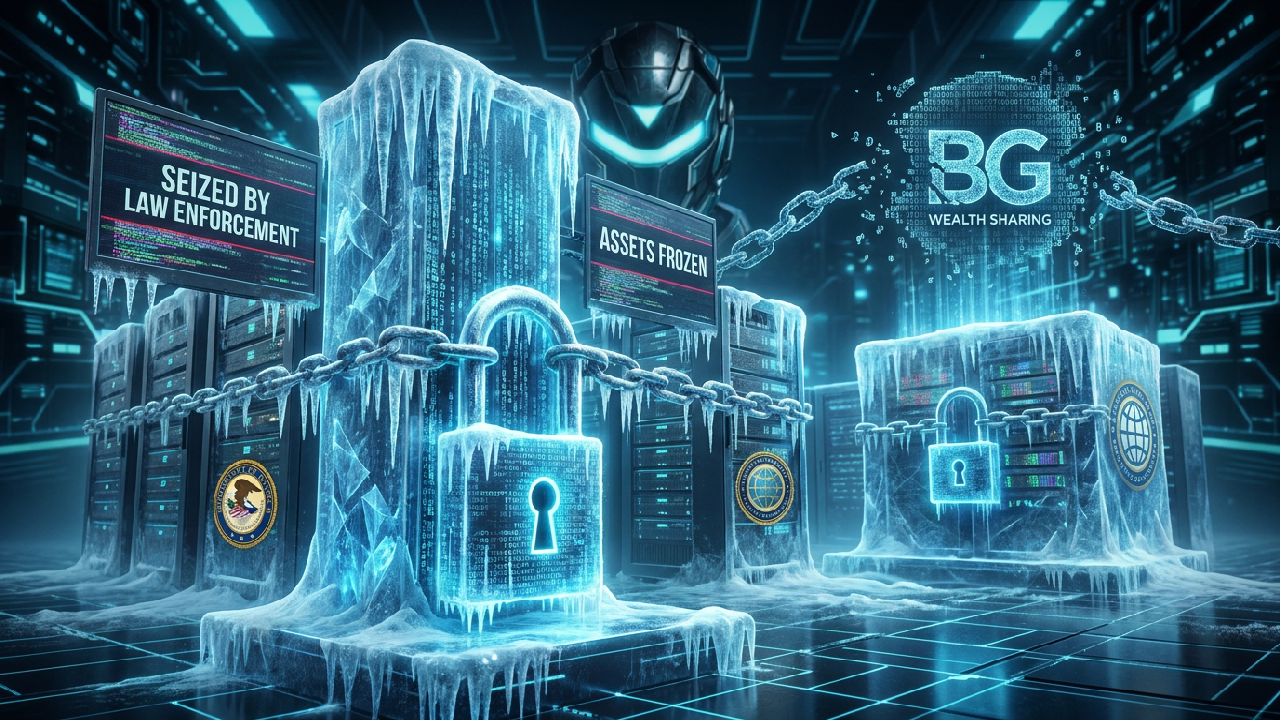
World Liberty Financial, a digital asset project linked to the family of Donald Trump, has initiated a defamation lawsuit against Tron founder Justin Sun in a Florida state court. This legal action follows a prior suit filed by Sun in California, which alleged that World Liberty unfairly restricted his ability to transfer WLFI tokens. The dispute centres on allegations of straw purchases, short selling, and the unilateral freezing of assets by the protocol administrators.
The conflict exposes the inherent contradictions of permissioned tokens that masquerade as decentralised assets. World Liberty admits to exercising a contractual right to freeze Sun’s holdings, claiming the move was necessary to protect the broader community from market manipulation. Sun, conversely, argues that the restriction of his liquidity is a breach of the fundamental promise of digital ownership. This escalation into the legacy court system serves as a public admission that neither party relies on the code to mediate their relationship. Instead, they rely on legal threats and administrative overrides.
From a sovereignty perspective, the WLFI token operates as a ledger of permissions rather than a bearer asset. If a protocol maintainer can freeze a balance based on a subjective assessment of a user’s intent or public statements, the user does not own the asset, they merely hold a revocable licence to it. The inclusion of freeze functions introduces a central point of failure and a trust assumption that the administrator will remain both neutral and secure. When these functions are used as weapons in a personal or commercial dispute, the technical utility of the blockchain is rendered irrelevant.
The reliance on straw purchases and influencer campaigns, as alleged in the filing, further illustrates the opacity of centralised token distributions. When the identity of the holder and the nature of the purchase are obscured by layers of intermediaries, the market cannot accurately price risk. This lack of transparency, coupled with the ability of the issuer to censor transactions at will, moves the project away from the principles of a neutral network and into the realm of traditional, high-friction finance.
True sovereignty requires the removal of the middleman. When a token issuer retains the keys to your wallet, the decentralisation is a performance. A system that requires a court order to resolve a transaction dispute is not a zero trust network, it is simply an inefficient database.
---
Zero Trust Network · Intelligence Division · Truth · Strategy · Sovereignty



Discussion