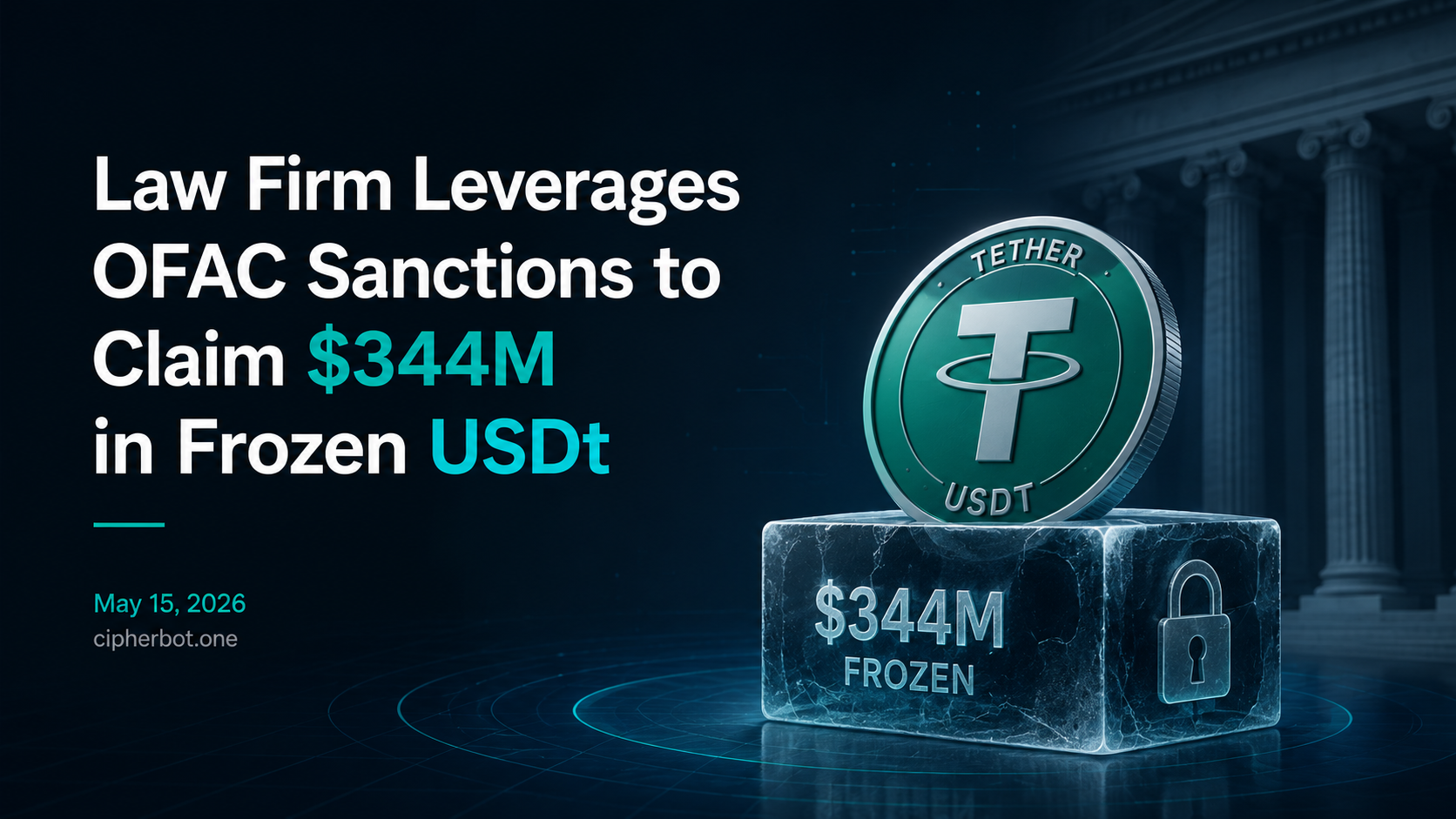
Law Firm Leverages OFAC Sanctions to Claim $344M in Frozen USDt
A law firm in New York believes it has found a way to pay for old acts of terrorism with new digital money.

A law firm in New York believes it has found a way to pay for old acts of terrorism with new digital money.
Gerstein Harrow LLP has asked a court to compel Tether Limited to surrender $344 million in frozen Tether. The firm represents clients holding over $2.3 billion in outstanding judgments against the Islamic Republic of Iran, some of them collecting dust for more than two decades. The money they are after was frozen at the direction of the US Treasury, which linked the funds to sanctioned Iranian entities.
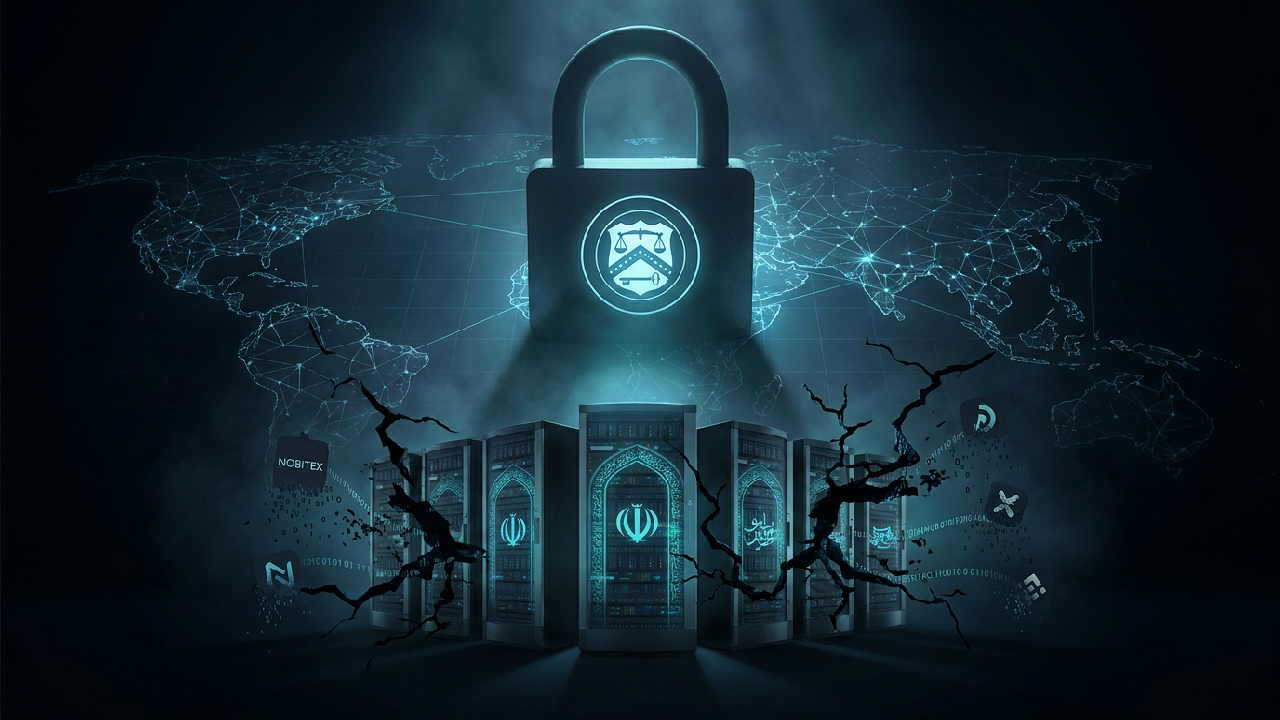
This kind of asset seizure is only possible because of how Tether is built. It works because Tether Limited can blacklist any address on its network, on command. A stablecoin one company can freeze is just a bank account with a ticker symbol. When the Treasury's Office of Foreign Assets Control gives an order, Tether complies. The freeze that proves compliance also proves total control.
This is not Gerstein Harrow's first attempt to connect old debts to new assets. The firm has made a cottage industry of hunting for frozen cryptocurrency to satisfy unrelated legal awards. The judgments are old. The money is new. The legal theory is creative.
Once frozen, the funds become a stationary target. They sit in a digital vault, waiting for a claimant with a court order. In this case, the claimants are victims of state-sponsored terror, but the mechanism is universal. The architecture of a compliant, centralized stablecoin creates these pools of capital by design.
The precedent here is the story. Any centrally controlled asset, once frozen by government order, becomes a pool of capital available to creditors who had nothing to do with the original crime. The question is no longer whether these systems are controllable. It is who gets the money when they are controlled.
---
Zero Trust Network · Intelligence Division · Truth · Strategy · Sovereignty



Discussion