Uniswap Builds the Velvet Rope Into DeFi
Uniswap’s Permissioned Pools do more than bring regulated assets onchain. They put the gatekeeper inside the code, giving issuers the power to decide who can trade, provide liquidity and remain in the market.


Bitcoin’s spam war has exposed a deeper fault line: who gets to decide what the network is for? With BIP-110 approaching its activation window, Michael Saylor warns that the proposed cure may be more dangerous than the data it targets.
OKX Europe has opened a one-way route from USDT into USDC. Behind the simple conversion tool sits MiCA’s real power: not banning the digital dollar, but deciding which version may pass through Europe’s regulated financial system.
BonkDAO lost $20M through its own voting process. No backdoor, no stolen key, no broken contract. Just governance doing what governance was allowed to do. The treasury didn’t disappear because the rules failed. It disappeared because the rules worked.
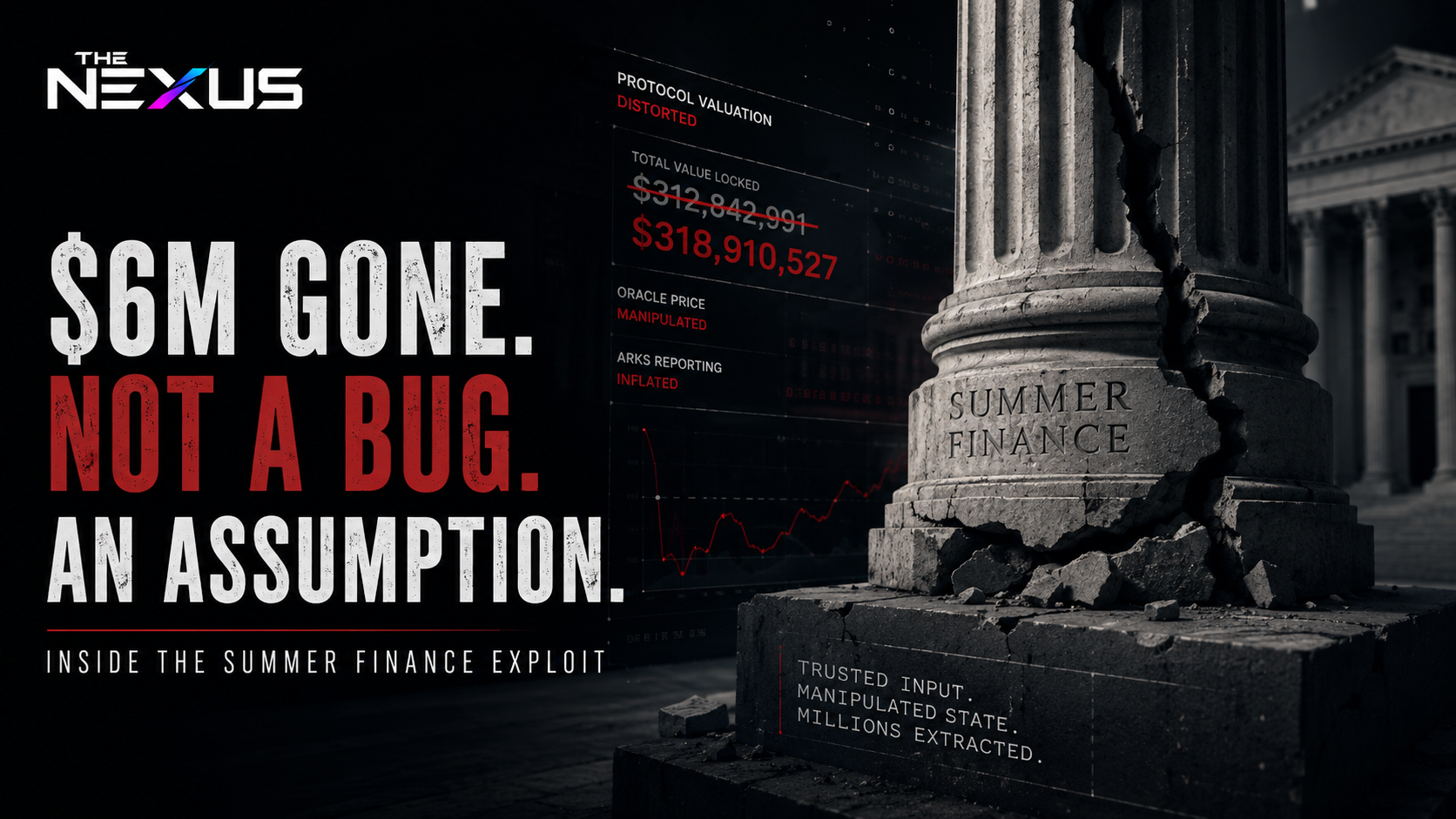
Summer Finance didn’t lose $6M because the chain broke. It lost it because the protocol trusted an assumption the attacker could bend. That’s the quiet horror of DeFi: the code can execute perfectly and still pay out the wrong reality.
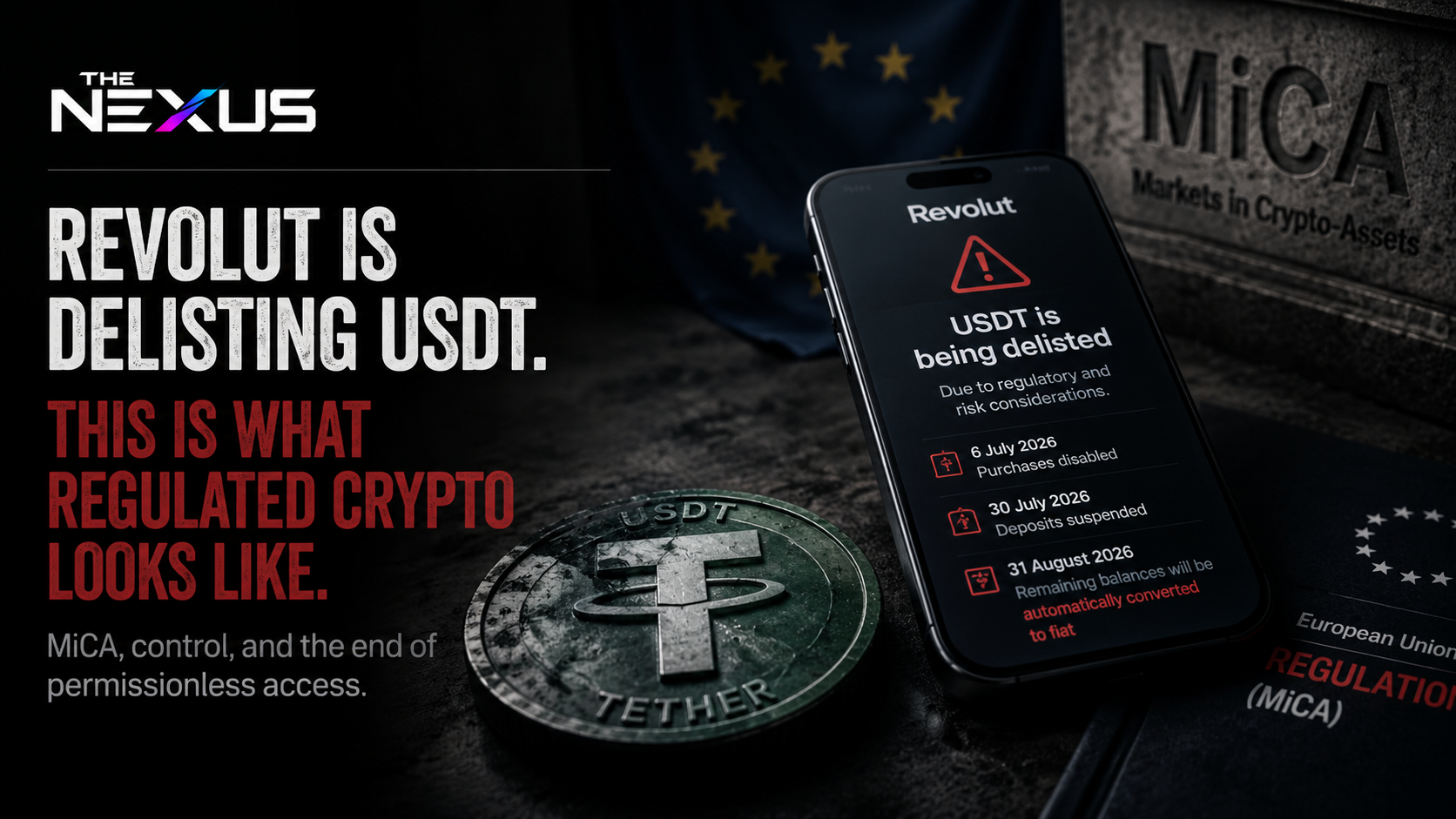
Revolut isn’t killing USDT. It’s showing users what they actually bought: not sovereign dollars, not borderless money, but exposure inside a regulated app that can set a deadline and cash you out. MiCA drew the line. Custodians will enforce it.
Ireland just seized another 500 BTC from the Clifton Collins stash. Not because Bitcoin failed, but because the private keys were reportedly written on paper and hidden in a fishing rod case. The protocol held. The custody didn’t.
OFAC sanctioned 134 crypto addresses. Tether froze 131. Three Monero addresses stayed live. Same enforcement action, different architecture. This is the quiet split inside crypto: compliant digital dollars on one side, bearer money on the other.
Crypto didn’t overthrow the banks. The banks are absorbing the exits. Standard Chartered plugging USDC into its institutional rails is not a side story. It is the shape of the next financial system taking form in public.
A $400M crypto empire sold yield, status and trust. Underneath it was the oldest trick in finance: new money paying old money while insiders quietly loaded up on houses, cars and luxury goods. Crypto didn’t fail here. Verification did.
A contract declared dead two years ago just drained $1.88 million from user wallets. On May 13, the cross-chain aggregator Transit Finance announced the loss, which occurred on the TRON network. The attacker used what the team called “historical vulnerabilities” in a legacy smart contract, one the p